

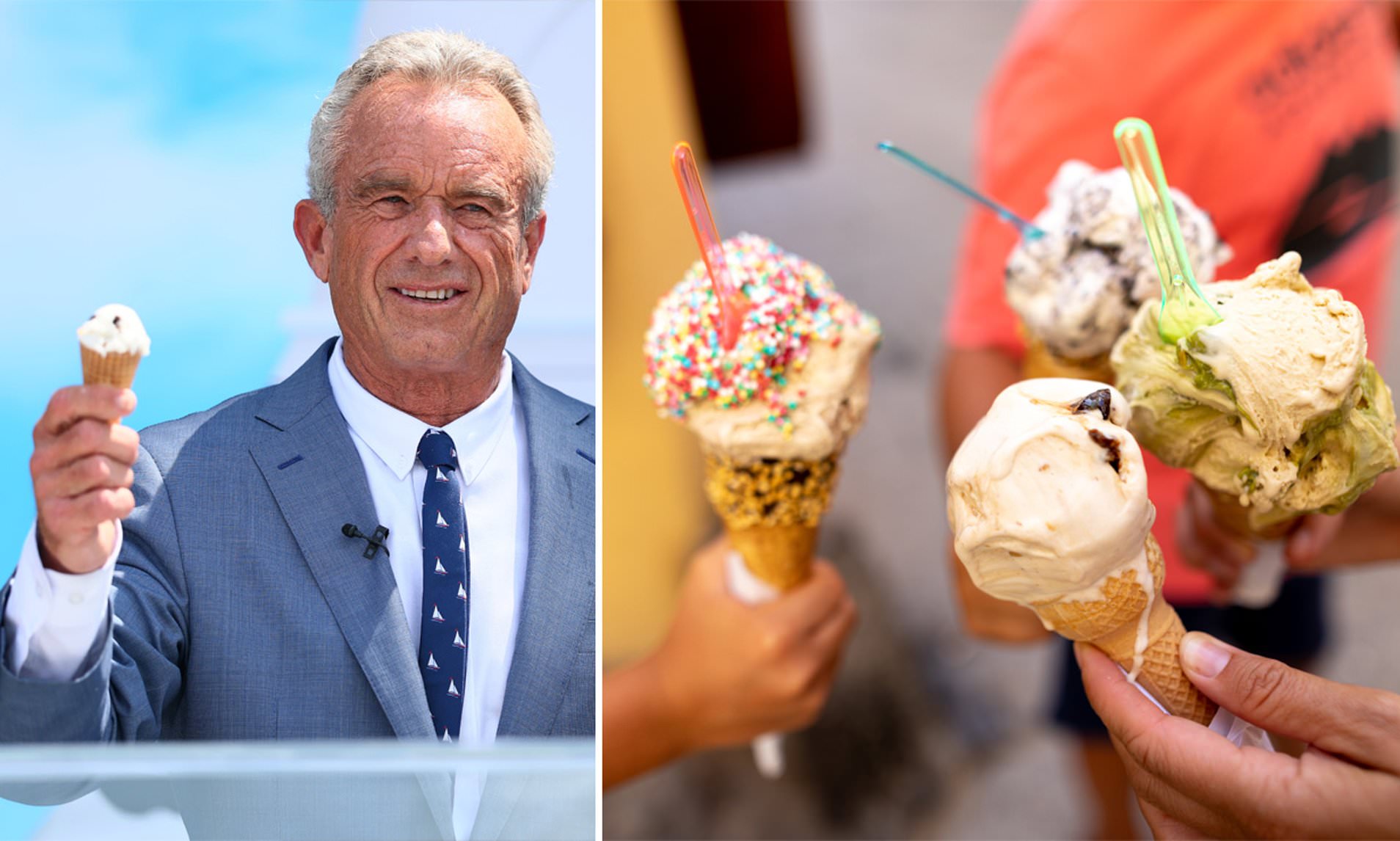
A Major Shift in the Ice Cream Industry
Ice cream manufacturers, representing approximately 90 percent of U.S. suppliers of frozen treats, have committed to eliminating artificial dyes from their products within the next three years. This decision marks a significant development in the ongoing conversation about food safety and health. The move aligns with broader efforts by food companies to respond to growing concerns about the potential health effects of synthetic dyes.
This initiative is part of a larger trend where major food corporations are reevaluating their ingredient choices. Companies such as Nestle, Kraft Heinz, and General Mills have also announced plans to remove artificial colors from their products. These changes reflect a shift in consumer preferences toward more natural and transparent food options.
The Role of the FDA and Health Officials
The U.S. Food and Drug Administration (FDA) has played a key role in encouraging this transition. Commissioner Marty Makary highlighted the significance of this change, calling it a "renaissance moment for health in America." According to Michael Dykes, president of the International Dairy Foods Association, around 40 ice cream and frozen dairy dessert makers have pledged to remove seven petroleum-based dyes by 2028. These dyes include Red 3, Red 40, Green 3, Blue 1, Blue 2, Yellow 5, and Yellow 6.
While the specific companies involved have not been disclosed, Turkey Hill Dairy’s CEO, Andy Jacobs, was present at the event, signaling support for the initiative. Despite the positive steps, some experts caution that removing artificial dyes alone may not make these products healthier. Deanna Hoelscher, a nutrition expert from the University of Texas, pointed out that other factors, such as added sugars and saturated fats, remain significant contributors to chronic diseases.
Broader Implications and Challenges
The push to eliminate artificial dyes comes amid broader discussions about dietary guidelines and health. Makary hinted that upcoming federal dietary guidelines might challenge long-standing associations between saturated fat and heart disease. This could lead to a reassessment of how certain foods are perceived in terms of health impact.
The average American consumes about four gallons of ice cream annually, contributing an estimated $12 billion to the economy and supporting over 27,000 jobs in the dairy industry. However, health advocates have long argued for the removal of artificial dyes due to mixed studies suggesting they may cause neurobehavioral issues in children, such as hyperactivity and attention problems.
Despite these concerns, the FDA maintains that approved dyes are safe and that most children do not experience adverse effects. Health Secretary Robert F. Kennedy Jr. has been vocal in his criticism of artificial dyes, urging manufacturers to phase them out. In response, officials have encouraged the use of natural alternatives, such as dyes derived from fruit juices and plant extracts.
New Natural Color Additives
Recent developments include the approval of new natural color additives by the FDA. One notable example is gardenia (genipin) blue, which was recently announced for use in sports drinks, candies, and other products. This represents a step forward in the industry's efforts to meet consumer demand for more natural ingredients.
Makary also sent a letter to food manufacturers encouraging them to accelerate the removal of Red 3, a dye banned in January. Although food makers have until 2027 to remove the dye, concerns remain about its potential link to cancer in laboratory rats.
Voluntary Actions and Consumer Concerns
While many companies have pledged to eliminate artificial dyes, some experts question whether voluntary actions will ensure full compliance. Thomas Galligan, a scientist with the Center for Science in the Public Interest, noted that promises may be made without guarantees of follow-through. He emphasized that "talk is cheap" and that real commitment is needed to drive meaningful change.
There are also concerns that vibrant colors may encourage overconsumption of sweet treats, potentially leading to weight gain and related health issues. This underscores the need for a comprehensive approach to food reform that addresses multiple factors beyond just dyes.
State-Level Efforts and Industry Responses
At the state level, California and West Virginia have passed laws banning certain artificial food colorings, with several other states considering similar legislation. Major food manufacturers, including Nestle, Kraft Heinz, General Mills, and PepsiCo, have already committed to removing artificial dyes from their products.
Kennedy noted that between 35 and 40 percent of the food industry has pledged to make the shift. However, some key players, like Mars and Kellogg's, continue to use artificial dyes in their products. For instance, Froot Loops still contain Red 40, Yellow 5, Blue 1, and Yellow 6 in the U.S., even though the cereal is free of artificial dyes in other regions like Canada.
The FDA has mandated the removal of Red 3 from foods sold in the U.S. by 2027 and from medications by 2028. Other dyes, such as Red 40, Yellow 5, and Blue 1, are under scrutiny due to potential health risks. Studies have linked these dyes to hyperactivity in children and other health concerns.
As the industry continues to evolve, the focus on natural and healthier alternatives remains a critical area of development. The ongoing dialogue between regulators, manufacturers, and consumers will shape the future of food production and consumption in the United States.
Posting Komentar