

Sindh's Energy Potential and Challenges
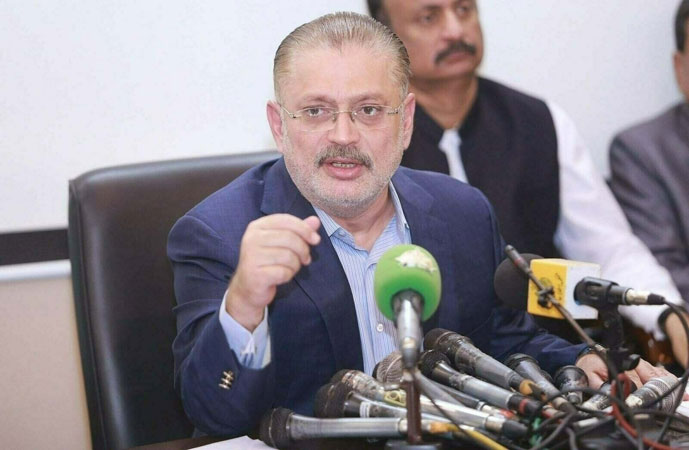
Sindh, a province in Pakistan, has significant resources that could play a crucial role in addressing the country's energy crisis. However, the development of its energy sector is facing major obstacles due to federal government policies. Sharjeel Inam Memon, a senior minister of Sindh and provincial minister for information, transport, and mass transit, emphasized that if the province is given the necessary authority and facilities, it could bring about a transformative change in the energy sector.
Memon called for an open dialogue among stakeholders, experts, and policymakers regarding Sindh’s vast energy reserves and sustainable solutions. Over the past six years, 30 million tons of coal have been supplied to various independent power producers (IPPs) under the Thar Coal Project. This coal generated 31 gigawatts of electricity, powering around 3 million homes. He highlighted that Thar coal has the potential to meet Pakistan's electricity needs for decades.
To further utilize these resources, a 105-kilometer railway line is being constructed by the Sindh government to connect Thar coal with national and international markets. Additionally, Sindh has made significant progress in alternative energy. The province's wind corridor is operational, and several solar energy projects are nearing completion. The Nooriabad Power Project currently supplies 100 megawatts of electricity to Karachi. The provincial government has allocated Rs 2.5 billion for solar energy initiatives and is covering electricity bills of up to 200 units for deserving residents of Thar.
Memon also mentioned plans for two new solar parks in Karachi, a solar project in Manjhand for the Hyderabad region, and additional solar parks for Sukkur and Larkana. He urged the federal government to remove any obstacles hindering these projects and to provide full cooperation.
Addressing Illegal Constructions and Flood Risks
Sharjeel Inam Memon stated that the federal government should stop opposing Sindh's solar and wind power projects and extend full support to the provincial government to meet the nation's energy needs. He also addressed the issue of illegal constructions and encroachments across the province. In urban areas, the Sindh Building Control Authority has issued notices to 37 dangerous buildings in Sukkur alone.
Building inspections are underway in Karachi, Hyderabad, Larkana, and Nawabshah. Legal action will be taken against officers involved in illegal constructions. Memon also highlighted the rising water levels in the Indus River, with reports of low-level flooding at Guddu and Sukkur barrages. The Sindh Irrigation Department and Provincial Disaster Management Authority are monitoring all barrages, embankments, and sensitive areas closely.
Relief camps and essential logistics have been activated in Katcha areas and low-lying settlements. Citizens have been advised to cooperate fully with authorities in case of any potential evacuation.
Health Concerns and Public Awareness
After the monsoon rains, there has been an increase in cases of gastroenteritis, diarrhea, and viral infections throughout the province. The Health Department has activated emergency units in all government hospitals and set up mobile medical camps in Karachi, Thatta, Badin, and other districts. The public has been advised to use clean water and avoid consuming substandard food and drinks.
Memon also addressed concerns about the new vehicle number plate scheme. He clarified that the initiative aims to modernize the registration process, prevent crime, and tackle issues such as vehicle theft. The Sindh government is ready to consider genuine public complaints but will not tolerate politics over measures aimed at public welfare.
Posting Komentar